A deployable Web GIS platform for real estate intelligence, combining PostGIS layers, market comparables, property-specific adjustments, current valuation, forecasting, and an XGBoost validation layer.
Admin and public workflows share the same spatial data foundation.
Presentation content now reflects the latest V3 valuation chain rather than a GIS-to-model-only pipeline.
Traditional valuation workflows can miss block-level location effects, comparable evidence quality, and transparent adjustment logic.
The system addresses local market fragmentation, inconsistent listing evidence, and the need for reproducible GIS-AI valuation support.
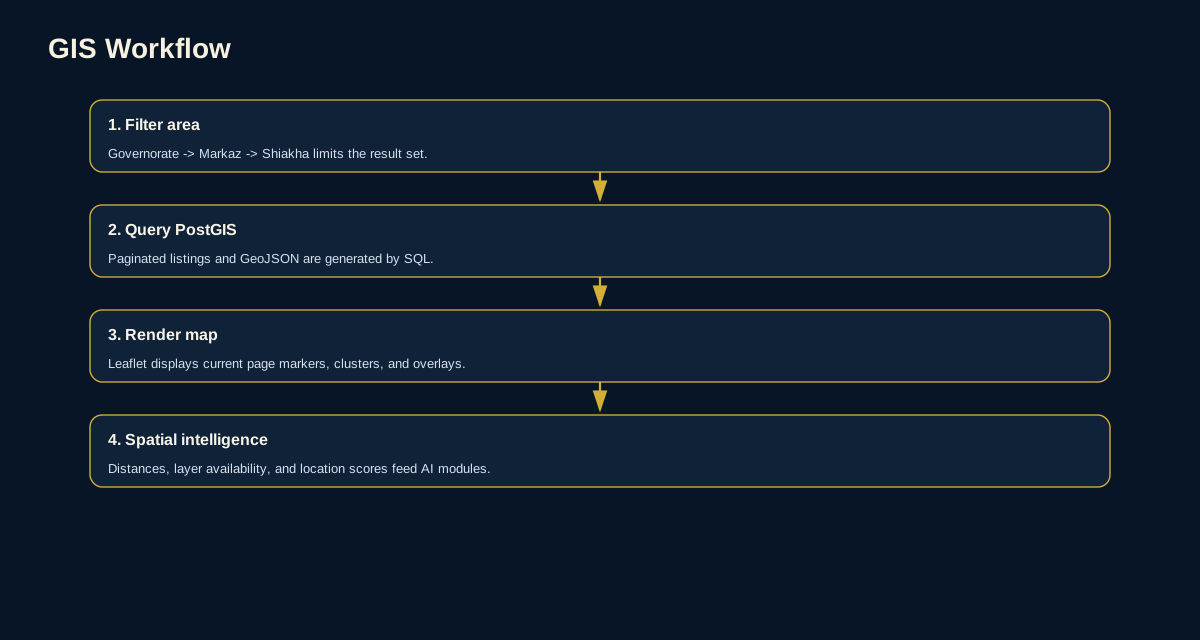
The study area is organized through governorate, markaz, and shiakha boundaries, with valuation and search constrained by the selected administrative hierarchy.
PostGIS geometry supports spatial filters, nearby services, and comparable search windows.
The platform is prepared for Cairo/Giza-style dense urban market analysis.
Data inputs include property listings, external market records, GIS layers, generated spatial features, demo reports, diagrams, charts, and PDF artifacts.
Buildings: 9000+.
Roads: 2000+.
Landmarks: 600+.
Price records: 5000+.
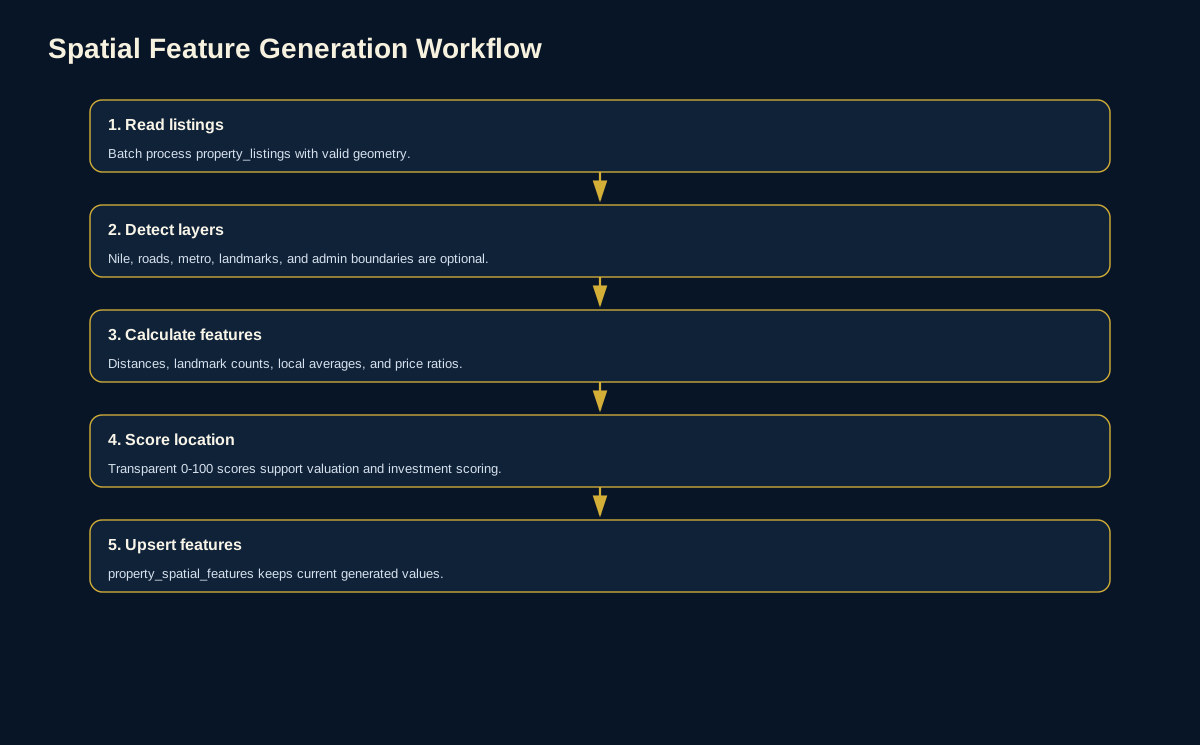
Spatial intelligence calculates distances, service counts, administrative context, liquidity, and normalized location scores used by search and valuation workflows.
Signals include roads, landmarks, market averages, local liquidity, and optional distance layers.
Generated spatial features are stored for consistent downstream use.
Block importance captures micro-location value before comparable selection, helping distinguish properties inside the same administrative area.
Used directly when available.
When unavailable, the workflow tightens comparable evidence requirements.
Comparable selection searches for valid same-type market evidence, prioritizing spatial proximity, price-per-square-meter consistency, and matching quality.
Insufficient comparable evidence can block unreliable valuations.
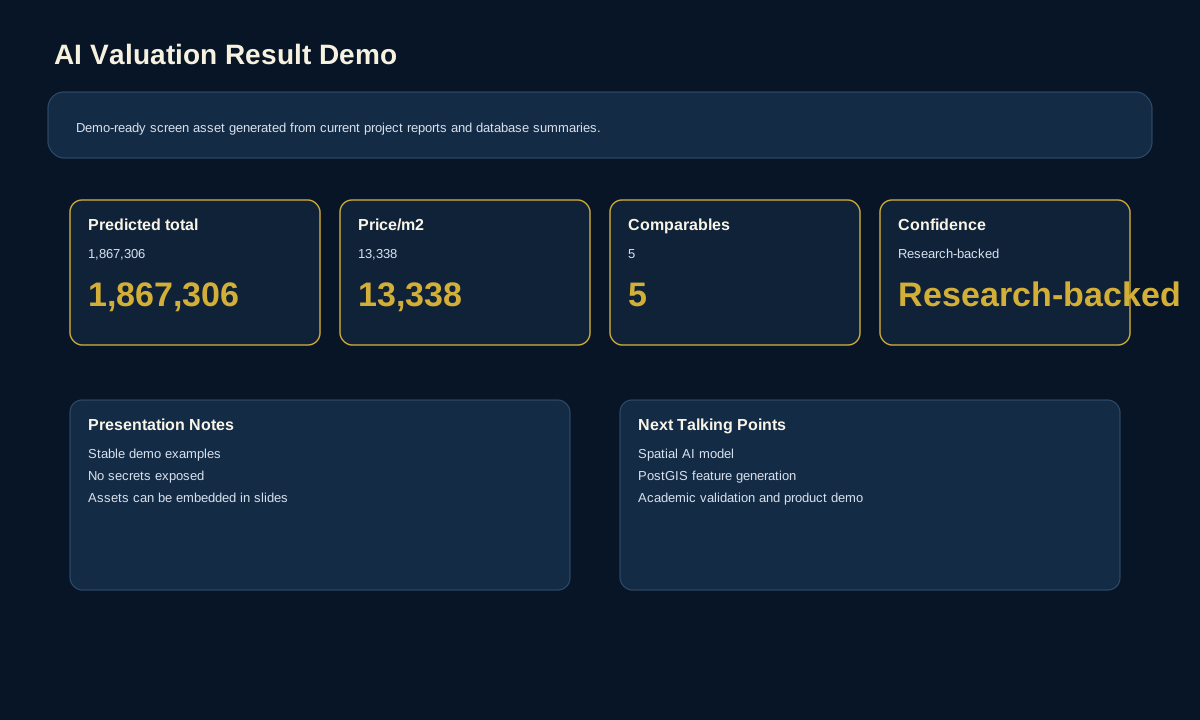
Comparable range and count are surfaced in the valuation result.
Property adjustments account for subject-level differences such as area, condition, floor, finishing, parking, elevator, view, and available comparable attributes.
Adjustments modify the comparable-supported base value.
Caps and explanations prevent hidden over-correction.
The current methodology is Block Importance -> Comparable Selection -> Property Adjustments -> Current Valuation -> Forecast Engine -> AI Validation.
GIS is the spatial evidence layer, not the entire methodology.
XGBoost validates and explains the estimate as part of the wider valuation framework.
The forecast engine projects the current estimated market value over future years using market assumptions and property/context modifiers.
Forecasts represent capital growth only.
Forecast inputs do not overwrite the current market valuation.
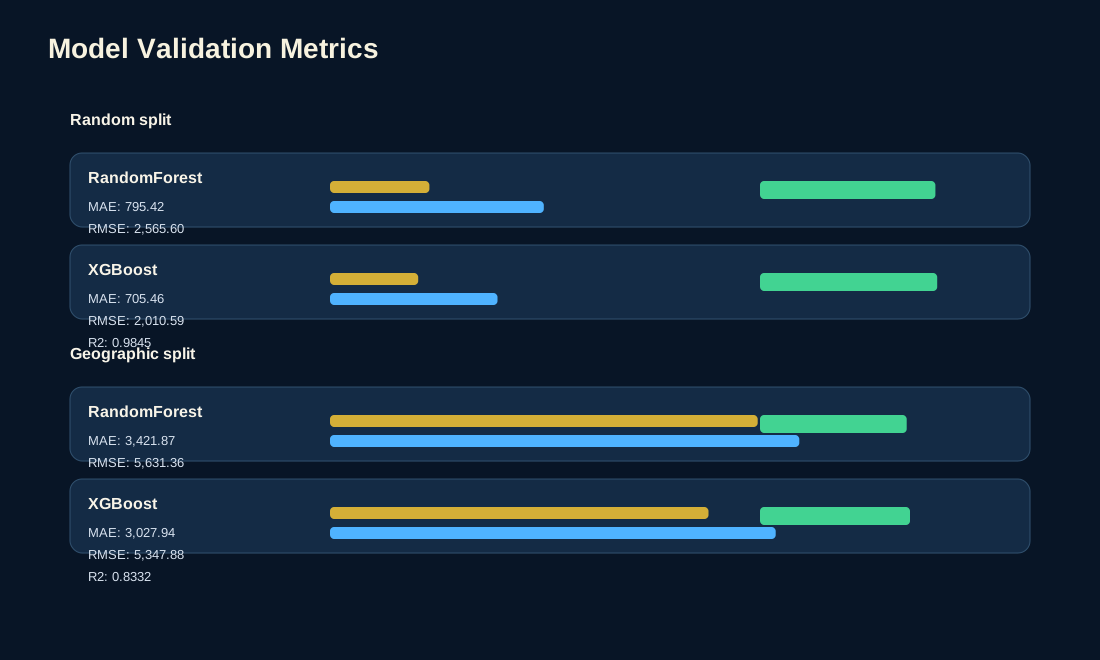
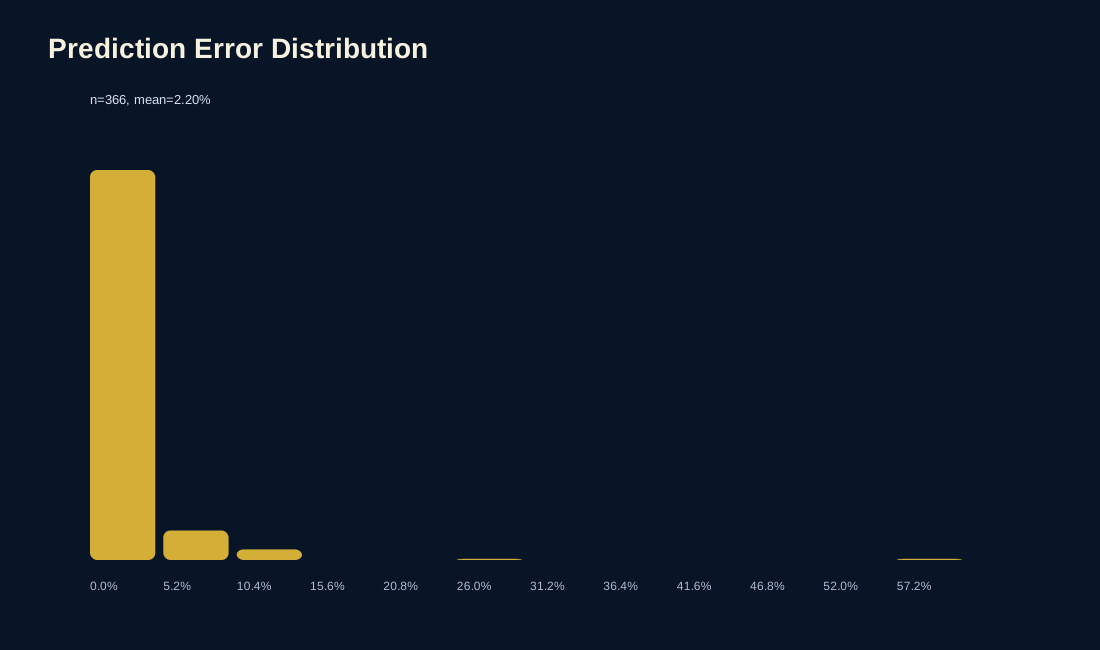
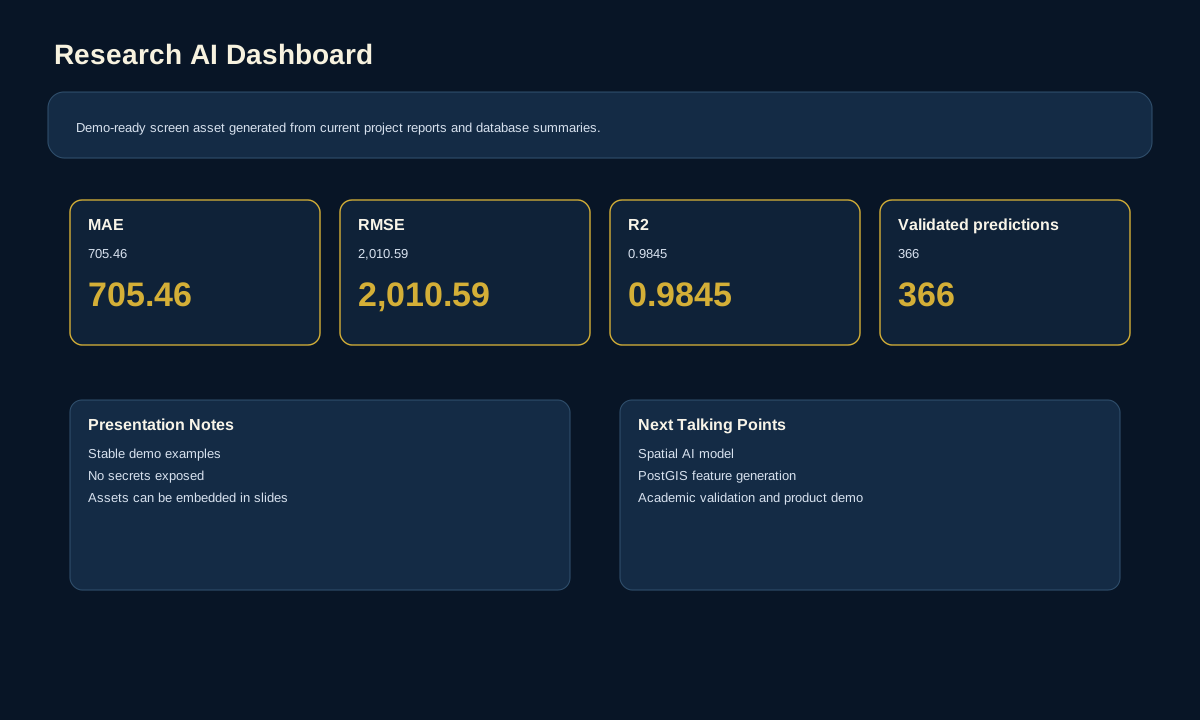
The XGBoost validation layer provides model-backed confidence, feature importance, and performance framing for the hybrid valuation result.
Model: XGBoost Validation Layer.
R2 approximately 0.96.
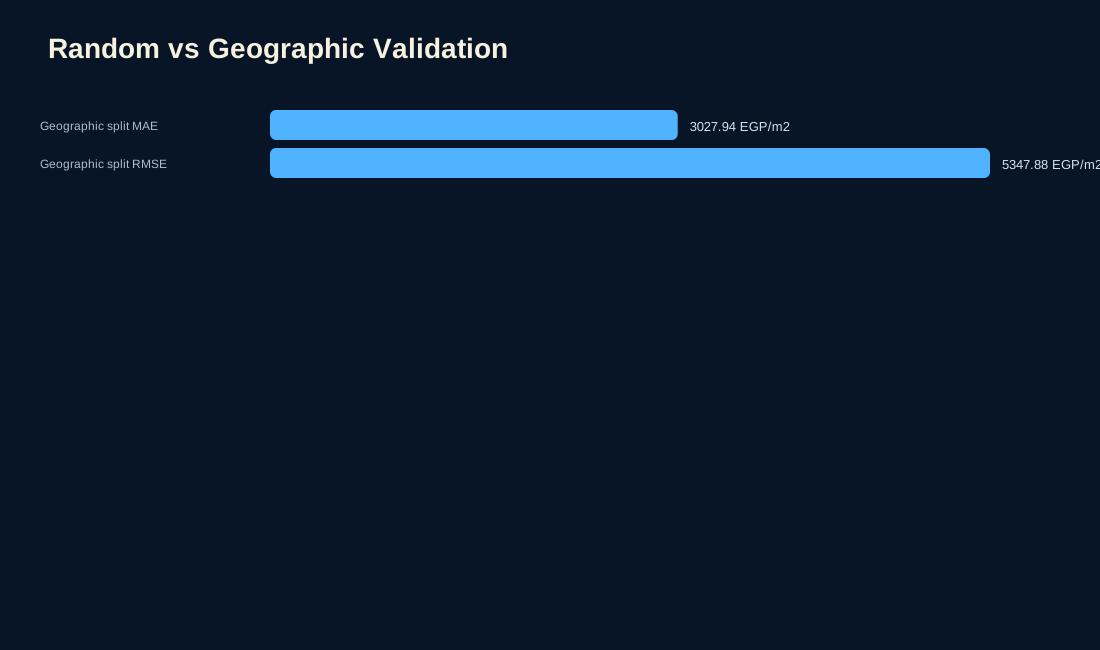
MAE approximately 552 EGP/m2.
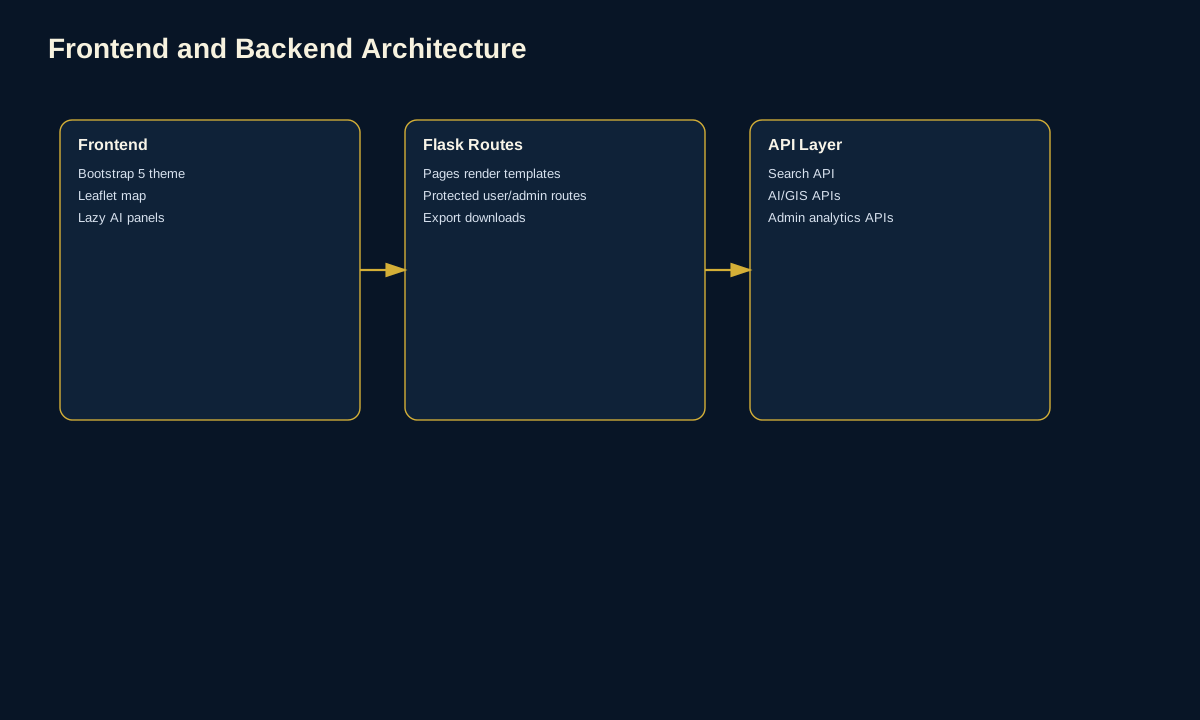
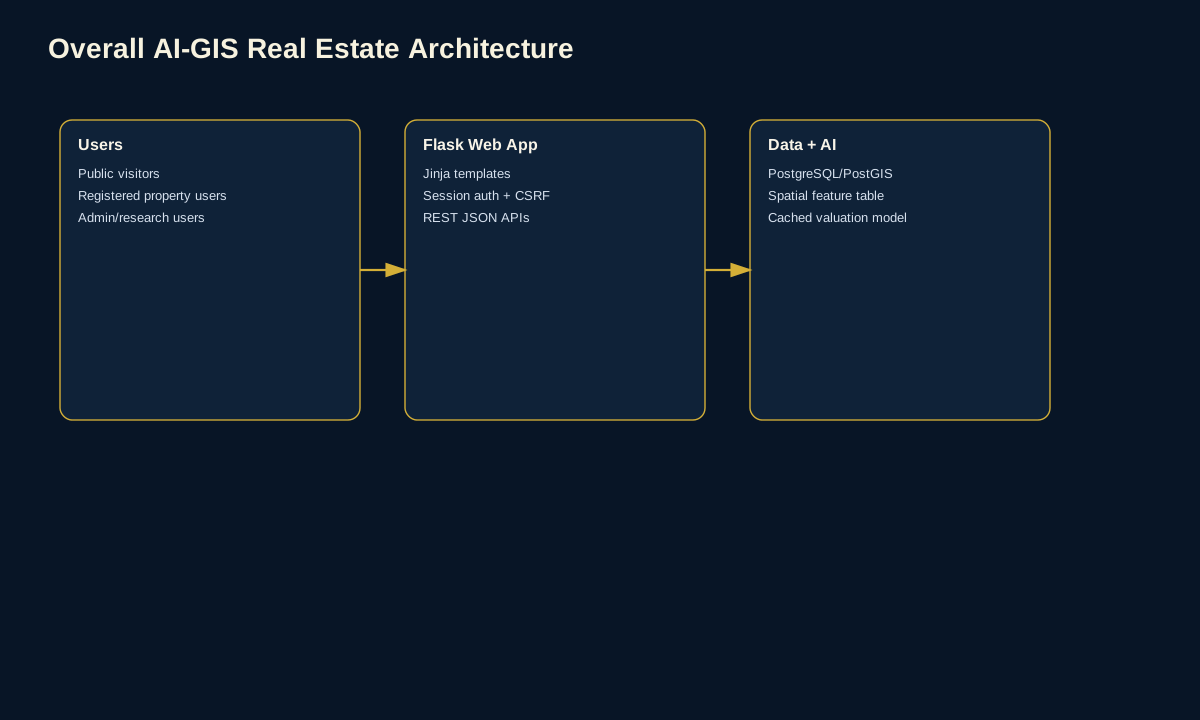
The web platform includes Home, Search V3, Add Property, AI Valuation, Valuation Result, Reports, and Dashboard workflows connected through a compact V3 navigation system.
Search uses map/list synchronization and administrative filters.
Valuation result visualizes subject point, comparables, forecast, and explanations.
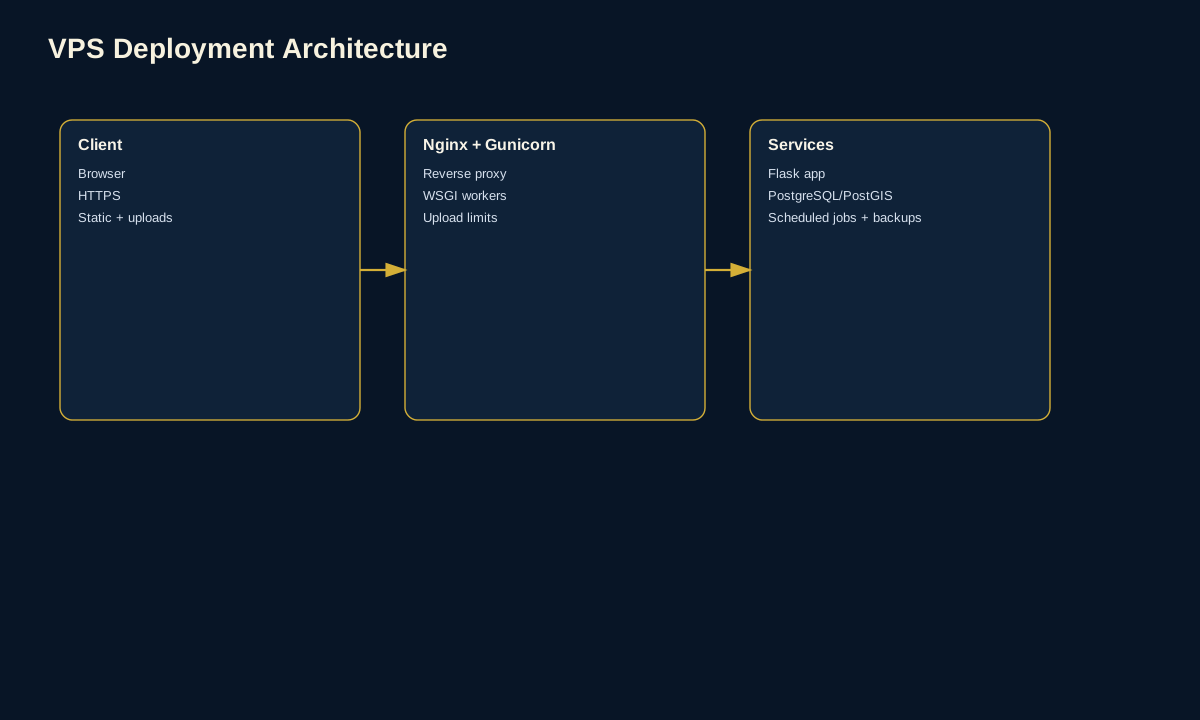
The system combines Flask routes and templates, PostgreSQL/PostGIS data, generated static reports, model artifacts, and browser-facing V3 UI modules.
Presentation route reads generated report files at request time.
Assets are served from static report folders with fallbacks when absent.
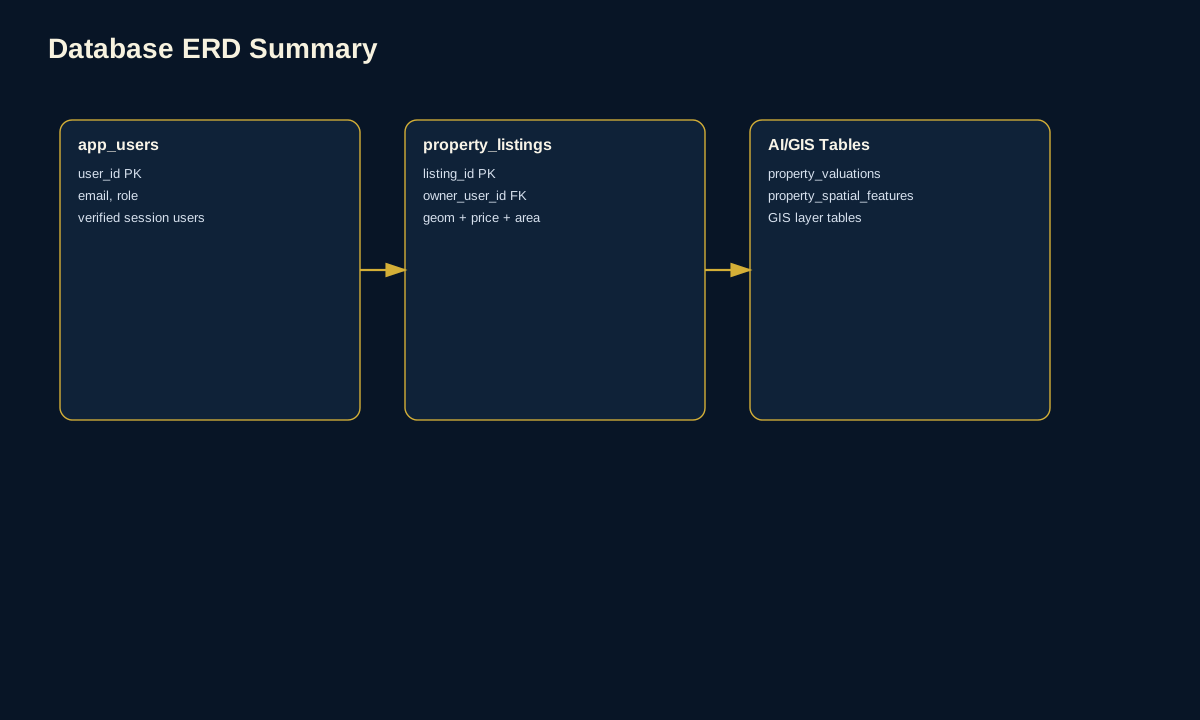
Database design centers on listings, external market evidence, valuations, users, and generated spatial features.
PostGIS-backed geometry supports administrative boundaries and proximity workflows.
Generated features keep valuation inputs reproducible.
The presentation uses the latest approved project values for thesis/demo delivery.
Buildings: 9000+; Roads: 2000+; Landmarks: 600+; Price records: 5000+.
Model: XGBoost Validation Layer; R2 ~= 0.96; MAE ~= 552 EGP/m2.
The project contributes a practical hybrid GIS-AI valuation workflow, explainable comparable evidence, and a working Web GIS platform.
Bridges academic methodology and operational property workflows.
Makes block importance and property adjustments explicit.
Results depend on available market evidence, GIS layer completeness, data quality, and the assumptions used in forecasting.
Forecasting is capital-growth-only.
AI validation supports the estimate but does not replace comparable evidence requirements.
Future work can expand verified transaction data, automate richer block scoring, improve comparable attribute coverage, and add more forecast scenario controls.
Add stronger audit trails for source freshness.
Broaden spatial layers and validation splits when new data is available.
| Section | Source | Last generated |
|---|---|---|
| Performance Summary | static/reports/demo/performance_summary.json | 2026-05-21T15:40:16.006103+00:00 |
| Demo Manifest | static/reports/demo/demo_mode_manifest.json | 2026-05-21T15:40:11.844357+00:00 |
| Report Assets | static/reports/diagrams, static/reports/charts, static/reports/pdfs | n/a |
| Documents | system_architecture.md, ai_methodology.md, gis_methodology.md, api_overview.md, thesis_notes.md | checked at request time |
Outdated before update
Old Project Overview presented the page as a generic AI-GIS platform without the V3 valuation chain.
Quick Demo shortcuts were hardcoded and omitted Valuation Result and Reports.
Generated model metrics showed older demo values from 2026-05-21 instead of the latest approved thesis values.
Diagrams/charts section titles implied GIS/XGBoost validation only and did not represent block importance, comparables, adjustments, forecast, and AI validation as one workflow.
Missing before update
Research Problem
Study Area
Data Sources
Spatial Intelligence Layer
Block Importance Model
Comparable Market Engine
Property Adjustment Engine
Hybrid GIS-AI Framework
Forecast Engine
AI Validation Layer
Web GIS Platform
System Architecture
Database Design (PostGIS)
Results and Metrics
Contributions
Research Limitations
Future Work
Inconsistent before update
The old page mixed generated demo assets with hardcoded links and did not label source freshness clearly.
The old methodology was closer to spatial features -> model training -> metrics than the approved V3 valuation workflow.
Performance summary JSON still contains generated demo metrics from 2026-05-21, so approved display metrics are now passed separately.
Diagrams
7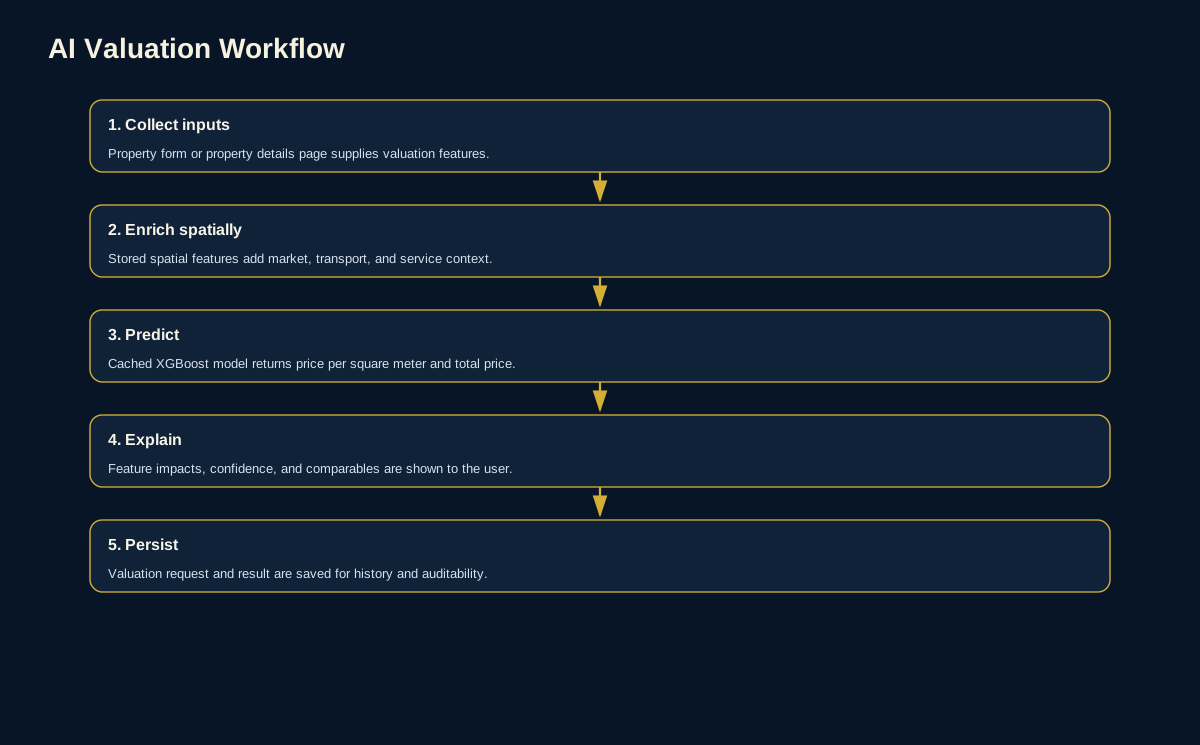
Charts
6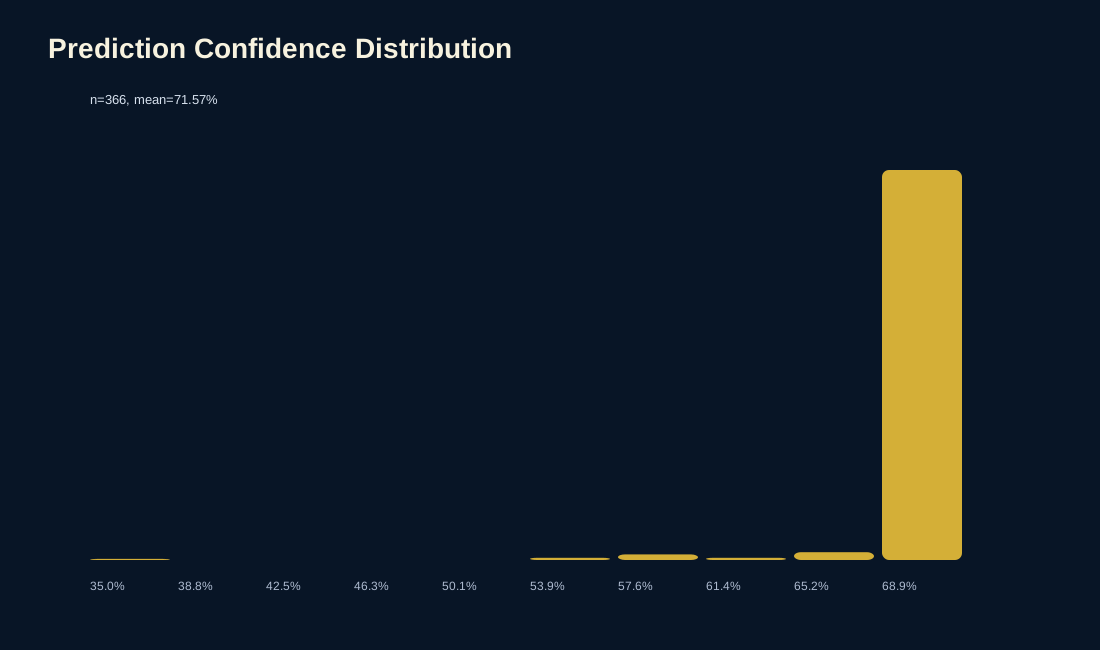


Screenshots
8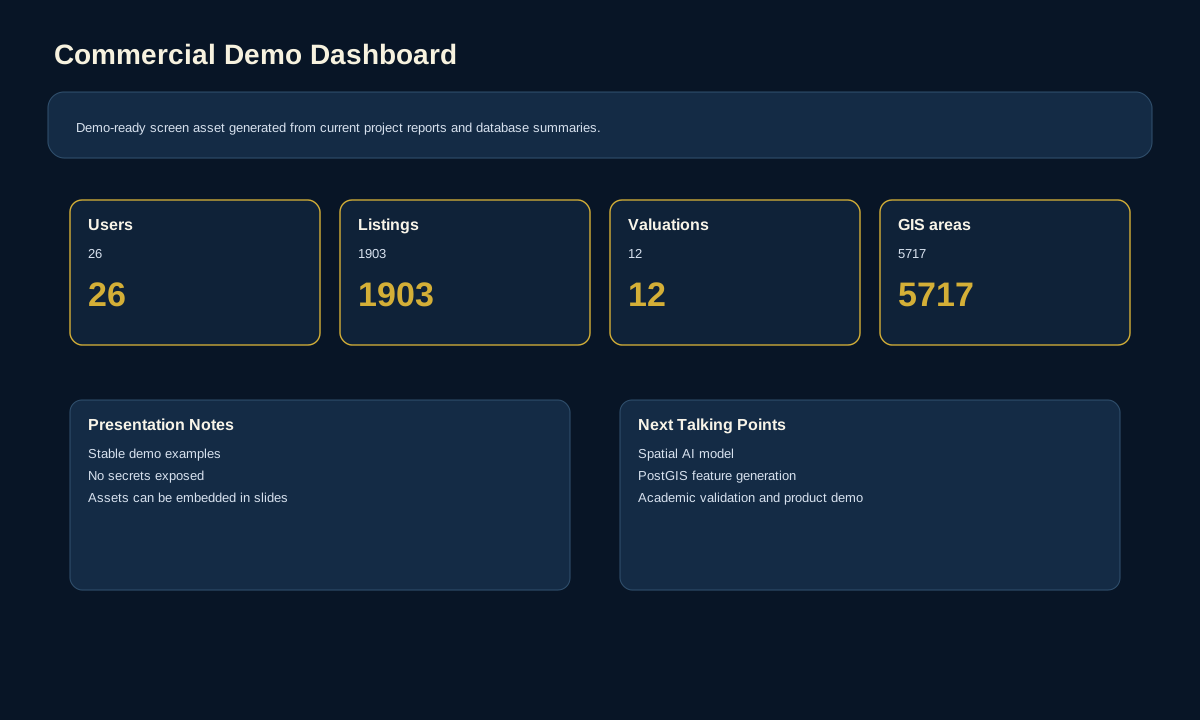





PDFs
3Videos
0No video files found in static/reports/videos.